

Algonquin College, Carleton University, and the University of Ottawa work closely with aerospace and defence entities to help build and maintain Canada’s resiliences and sovereignty
Ottawa’s post-secondary institutions have a long history of producing talented students and researchers who provide critical knowledge and skills to help companies and industries across the Canadian economy. As two critical sectors demanding technological innovation and excellence to advance their initiatives, defence and aerospace are no different.
The National Capital Region’s new Defence Innovation Hub Strategy also provides excellent opportunities for Ottawa’s post-secondary institutions to help position Ottawa-Gatineau as the country’s premier venue for growing Canada’s military capabilities as that need becomes more critical.
With Canada’s increased military spending and desire to assert its industrial and military sovereignty dominating the news, Algonquin College, Carleton University, and the University of Ottawa have stepped up to help meet the needs of national defence and aerospace organizations and initiatives.
Supporting Canada’s military through specialized programs
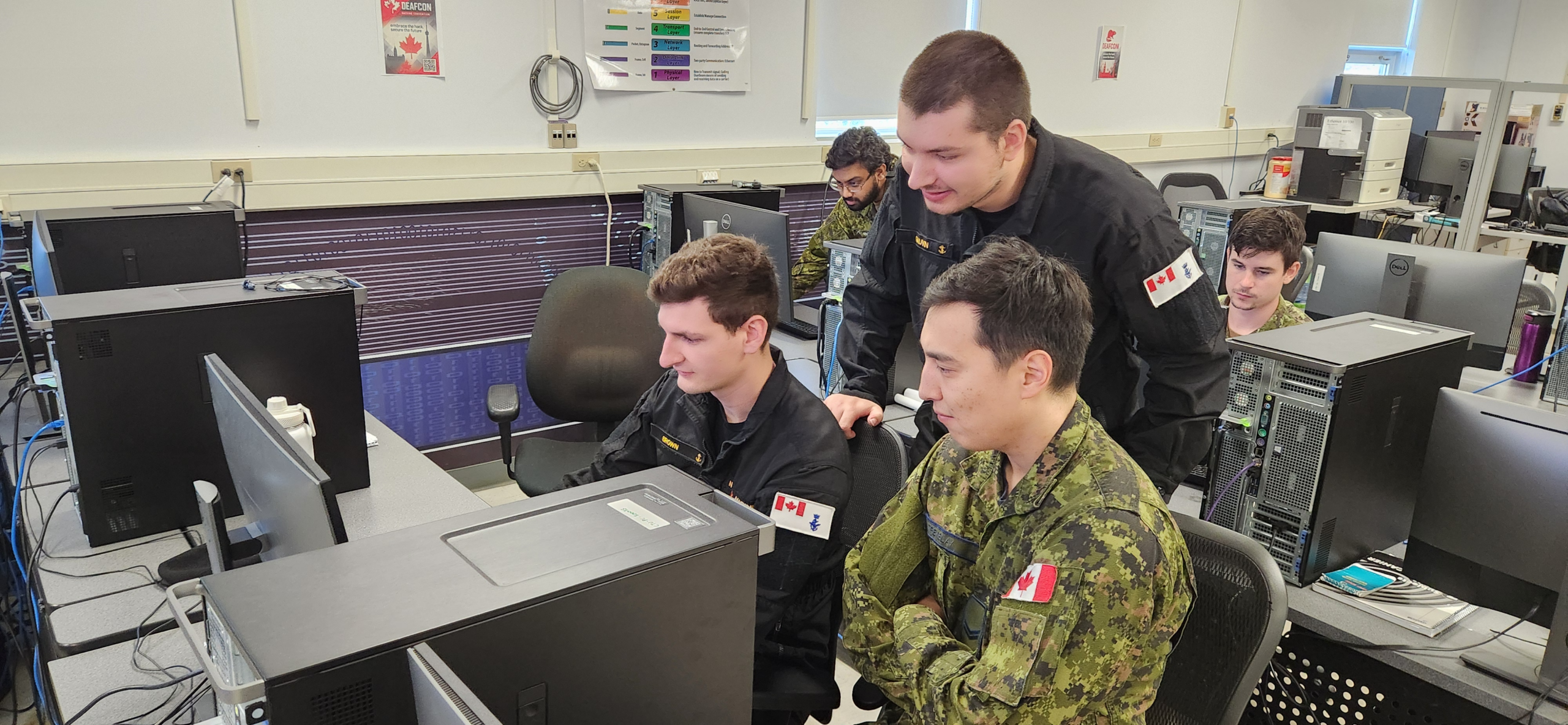
Algonquin College has been a longstanding and trusted partner of the Canadian Armed Forces (CAF) for years, explains President and CEO Claude Brulé.
“Not many people know we have a military detachment on our campus where we deliver the geomatics technician program to the Canadian Armed Forces (CAF),” he says, also highlighting the Pembroke Campus’s proximity to Garrison Petawawa and its longstanding relationship with the CAF.
Algonquin delivers other military-related programs to the Department of National Defence (DND), including project management, cyber-operator training, and military arts and science – the latter in affiliation with the Royal Military College in Kingston. The college also conducts applied research projects with DND involving, for example, drone technology.
Additionally, Algonquin facilitates 190 co-op work placements with DND each year for undergraduates, many with skills in information technology. These placements often include areas such as computer programming, data analytics, AI, and cybersecurity, among others, says Brulé.
“We have a great connection with the military, and we support their families and veterans as well,” says Brulé.
Aerospace expertise from the largest program in Canada
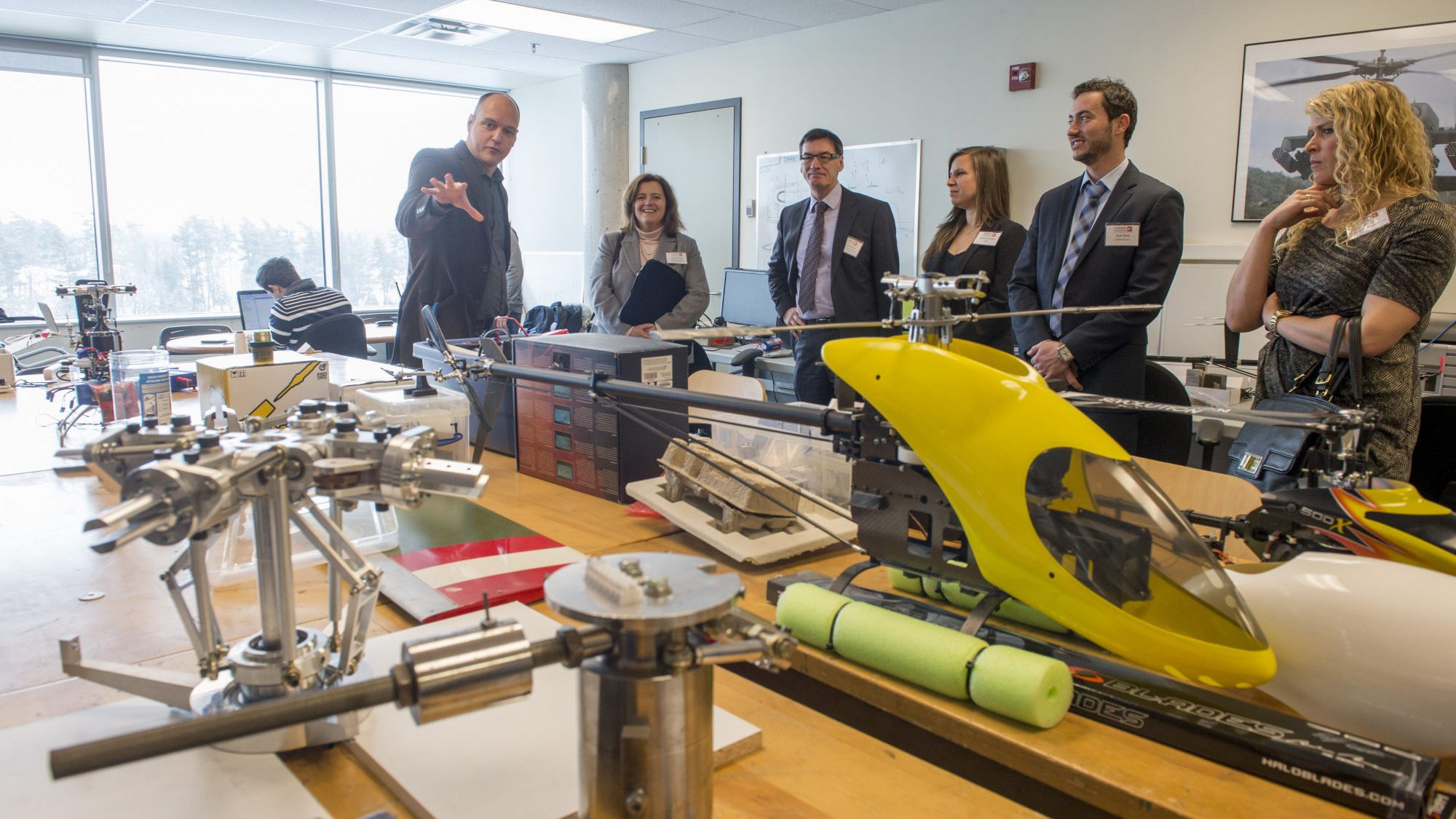
Carleton University’s Aerospace Program – the largest in Canada – has graduated many students who now apply their skills to DND or industries that supply the military with air assets, explains Ron Miller, Interim Dean of the Faculty of Engineering and Design at Carleton University.
Carleton offers a range of programs, from bachelor’s to PhD level, spanning multiple engineering disciplines. In addition to aerospace, these include mechanical engineering, computer systems, and electrical engineering, says Miller.
Aerospace undergraduates are taught the fundamentals of aerospace technology, diving deep into topics such as flight, space technology and satellite technology, among others.
“At the graduate level, we have students working on specific theses that are well aligned with the aerospace industry in terms of things like drones and autonomous systems,” says Miller.
Many of these students wind up working for DND or companies that work directly with the aerospace or defence sectors, he says.
Advancing national security through research excellence and industry collaboration
The University of Ottawa plays a central role in strengthening Canada’s national security ecosystem by advancing research excellence, driving innovation, and supporting the develop of industry driven intellectual property, supported by world-class R&D infrastructure, close collaborations with government, and strong, long-standing partnerships with industry—anchored in part by its Kanata North campus, located in the heart of Canada’s Largest Technology Park.
“Through investments in research and innovation, uOttawa is helping secure critical infrastructure, strengthen cybersecurity, advance quantum and photonics, safeguard Canada’s health systems, and engage with Arctic sovereignty—building national resilience in an increasingly complex global environment,” says Julie St-Pierre, Vice-President, Research and Innovation.
The University of Ottawa maintains strong, long-standing collaborations with the Department of National Defence (DND), the National Research Council (NRC), and Defence Research and Development Canada (DRDC), contributing expertise across advanced materials, autonomous systems, cybersecurity, sensing technologies, and quantum science in support of Canada’s defence and security priorities, including Arctic sovereignty.
The University’s leadership was recently demonstrated through its role in convening the National Security Innovation Forum (NSIF) at Hub350 and its Kanata North campus, bringing together government, industry, and academia to strengthen collaboration and driving innovation across Canada’s national security ecosystem.
“The recent National Security Innovation Forum highlights the important convening role uOttawa plays, in addition to our strengths in research intensity and talent development,” says St-Pierre. “By bringing together diverse stakeholders across the ecosystem, we help catalyze partnerships that strengthen Canada’s long-term security and technological sovereignty.”
By Jeff Buckstein, Ottawa Business Journal
In partnership with Algonquin College, Carleton University, and the University of Ottawa